6 Foam Rolling Tips for Fibromyalgia
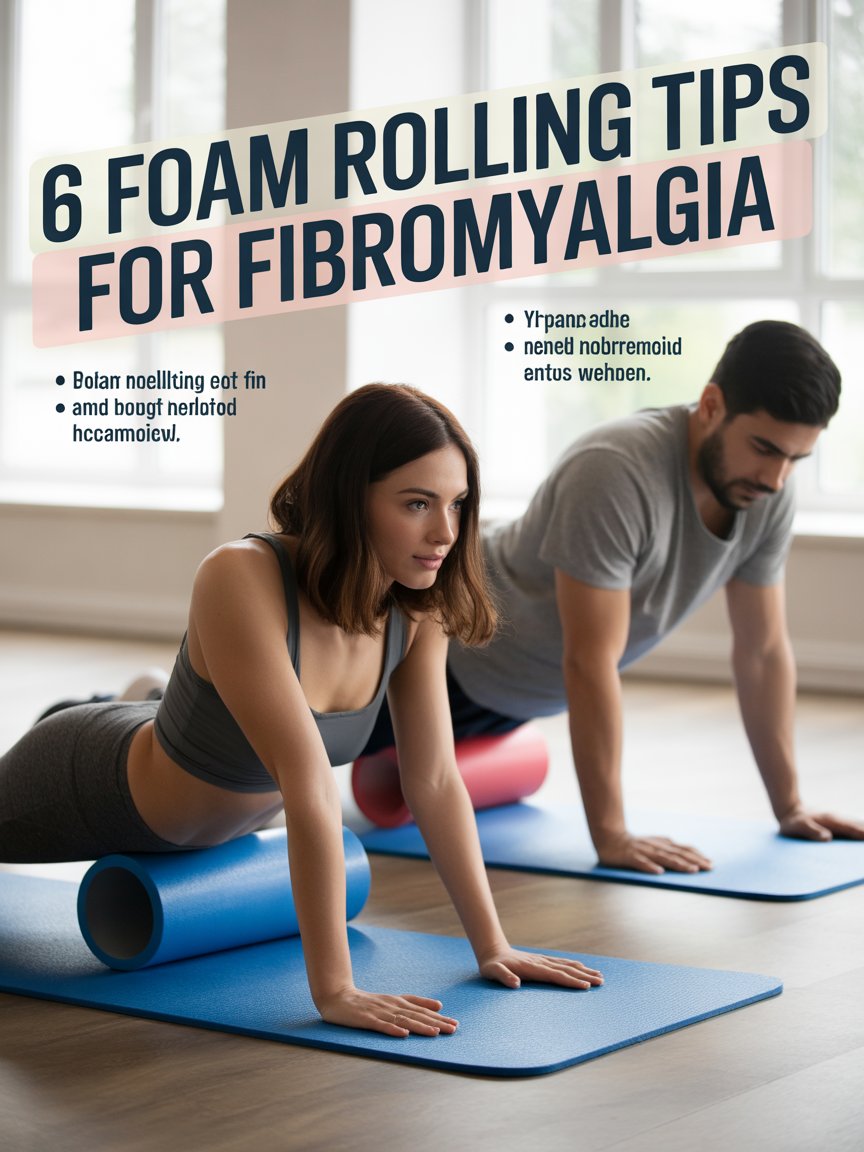
6 Foam Rolling Tips for Fibromyalgia
Foam rolling can be a helpful tool for managing muscle tension and improving mobility, especially for people living with fibromyalgia. However, because of increased sensitivity and pain, it’s important to approach foam rolling gently and mindfully.
When used correctly, foam rolling can reduce stiffness, improve circulation, and promote relaxation without triggering flare-ups. Here are 6 essential tips to help you use foam rolling safely and effectively.
1. Start with a Soft Foam Roller
Not all foam rollers are the same. For fibromyalgia, it’s best to choose a soft or low-density roller rather than a firm one.
A softer roller provides gentle pressure, reducing the risk of pain or discomfort while still helping your muscles relax.
2. Go Slow and Gentle
Speed and pressure matter. Roll slowly over each muscle group and avoid applying too much pressure.
Gentle movements allow your body to adjust and prevent overstimulation of sensitive areas.
3. Focus on Larger Muscle Groups
Target bigger muscles like the thighs, calves, and upper back rather than smaller, more sensitive areas.
Large muscle groups can tolerate foam rolling better and often benefit the most from improved circulation and relaxation.
4. Avoid Painful Trigger Points
While some discomfort is normal, sharp or intense pain is not. Avoid rolling directly on very painful spots or tender points.
Instead, work around those areas and let the surrounding muscles gradually relax.
5. Limit Your Sessions
Short sessions are more effective and safer for fibromyalgia. Aim for 5–10 minutes at a time rather than long, intense sessions.
This helps prevent fatigue and reduces the risk of triggering a flare-up.
6. Combine with Relaxation Techniques
Pair foam rolling with deep breathing or calming music to help your body relax.
This combination can reduce tension more effectively and make the experience more soothing and beneficial.
Final Thoughts
Foam rolling can be a gentle and supportive way to manage fibromyalgia pain when done carefully. The key is to listen to your body and avoid pushing too hard.
By keeping your approach slow, soft, and consistent, you can enjoy the benefits of foam rolling without increasing discomfort, helping you move more comfortably each day.


Leave a Comment