10 Ways to Reduce Muscle Tenderness
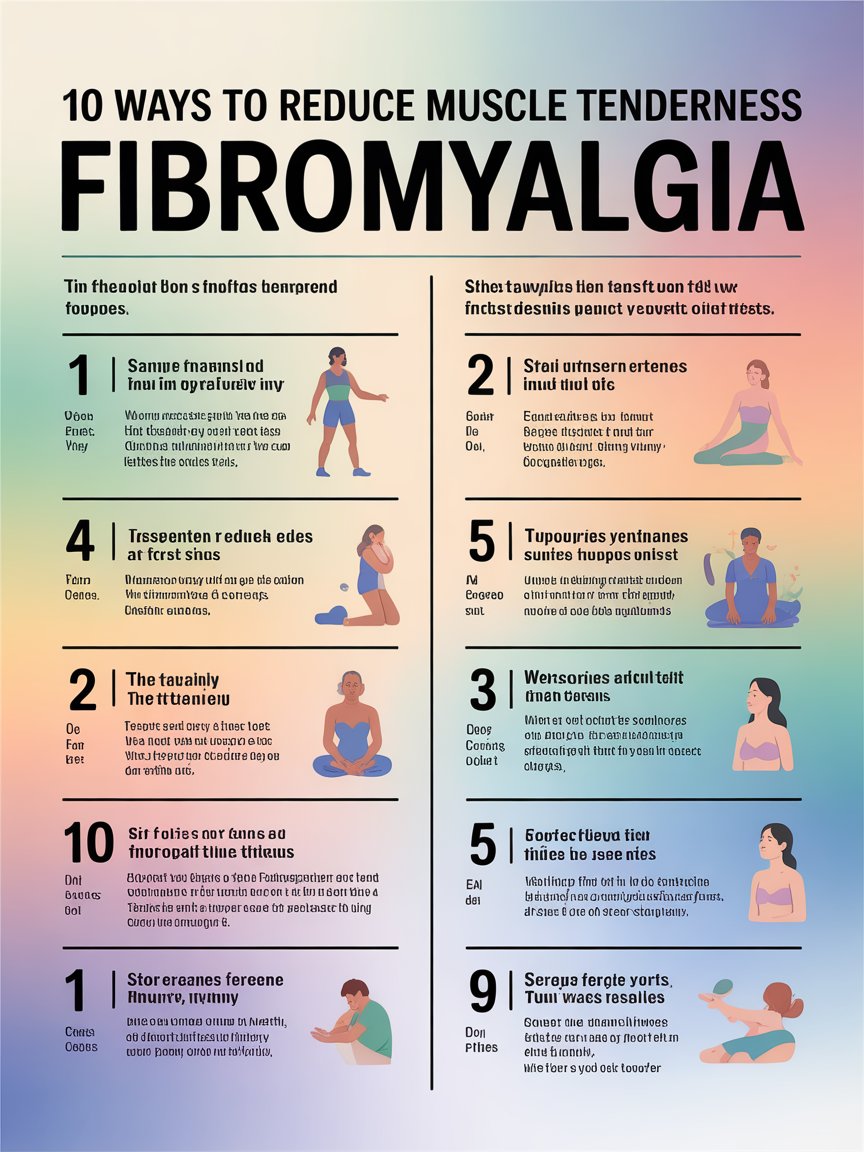
10 Ways to Reduce Muscle Tenderness
Muscle tenderness can make even simple movements uncomfortable. Whether it’s caused by overuse, stress, or chronic conditions like fibromyalgia, finding relief is essential for staying active and comfortable. The good news is that there are many natural and effective ways to ease muscle soreness and improve recovery.
Here are 10 practical ways to reduce muscle tenderness and help your body feel more relaxed and pain-free.
1. Apply Heat Therapy
Heat helps relax tight muscles and improve blood flow. Using a heating pad, warm towel, or taking a hot shower can provide quick relief.
Regular heat application can reduce stiffness and make movement easier.
2. Use Cold Therapy When Needed
Cold therapy is especially helpful if there’s inflammation or swelling. Ice packs can numb sore areas and reduce irritation.
Use cold therapy after physical activity or during flare-ups for best results.
3. Stay Gently Active
While rest is important, too much inactivity can make muscles stiffer. Light movement like walking or stretching keeps muscles flexible.
Gentle activity helps improve circulation and prevents further tightness.
4. Practice Daily Stretching
Stretching helps lengthen muscles and reduce tension. Even a few minutes a day can improve flexibility and ease discomfort.
Focus on slow, controlled stretches and avoid pushing too far.
5. Stay Hydrated
Dehydration can contribute to muscle soreness and stiffness. Drinking enough water helps keep muscles functioning properly.
Proper hydration also supports recovery and reduces cramping.
6. Try Massage Therapy
Massage helps release muscle knots, improve circulation, and promote relaxation. It can be done professionally or at home.
Regular massage can significantly reduce tenderness over time.
7. Improve Your Sleep Quality
Poor sleep can increase pain sensitivity and slow muscle recovery. Creating a consistent sleep routine can help your body heal.
Better rest leads to reduced soreness and improved overall well-being.
8. Eat a Balanced Diet
Nutrients play a key role in muscle health. Foods rich in magnesium, potassium, and protein help muscles recover and function properly.
Avoid excessive processed foods that may increase inflammation.
9. Manage Stress Levels
Stress causes muscles to tighten, leading to increased tenderness. Relaxation techniques like deep breathing or meditation can help release this tension.
Reducing stress can have a direct impact on how your muscles feel.
10. Listen to Your Body
One of the most important steps is paying attention to your body’s signals. If something causes pain, adjust your activity level.
Rest when needed, but stay consistent with gentle care to maintain progress.
Final Thoughts
Muscle tenderness doesn’t have to control your daily life. By combining simple, natural strategies like heat therapy, stretching, hydration, and stress management, you can reduce discomfort and improve how your body feels.
Consistency is key—small daily habits can lead to lasting relief and better muscle health over time.


Leave a Comment