10 Things That Affect Your Nervous System Health
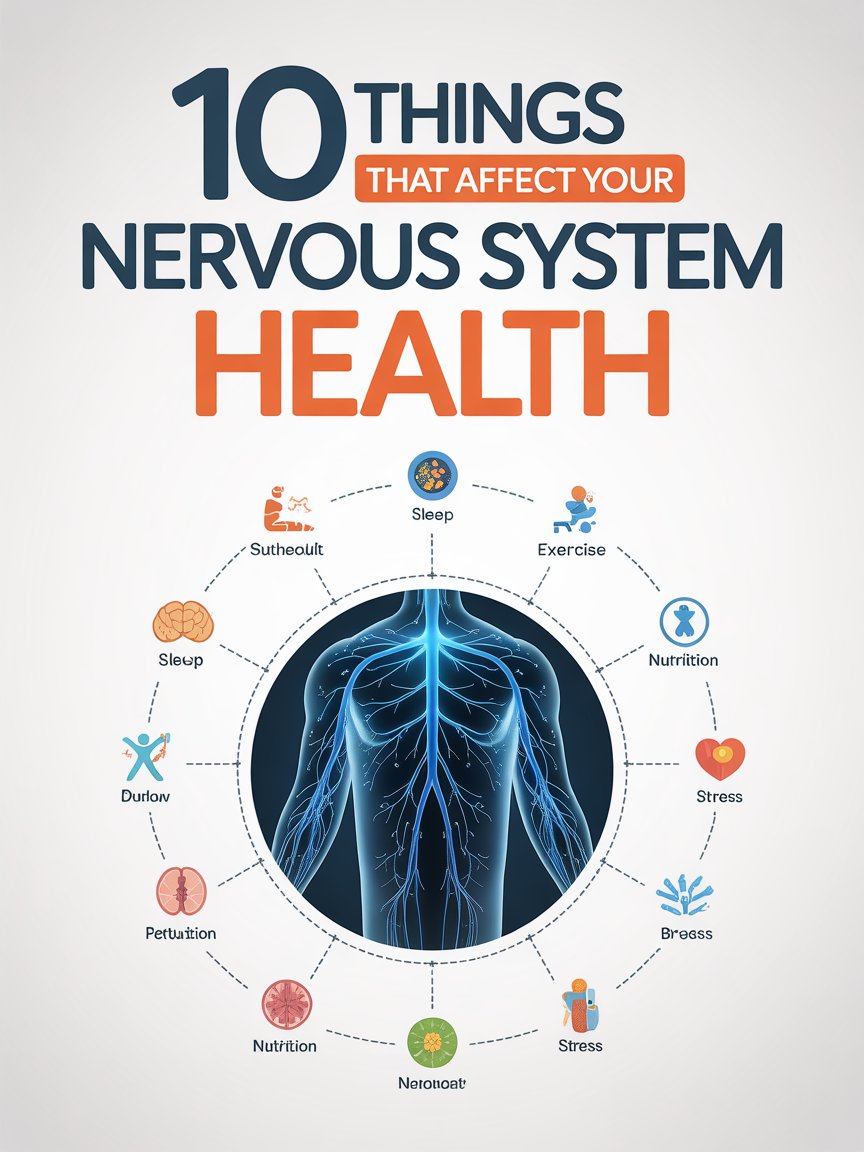
10 Things That Affect Your Nervous System Health
Introduction: Why Nervous System Health Matters
Your nervous system controls everything from movement and sensation to mood and energy levels. It includes the brain, spinal cord, and a vast network of nerves throughout the body. When the nervous system is not functioning well, it can lead to fatigue, pain, poor focus, and sleep problems. Understanding what affects your nervous system can help you make better lifestyle choices and support overall well-being.
1. Chronic Stress
Long-term stress can overstimulate the nervous system and keep it in a constant “fight or flight” state. This can lead to tension, anxiety, and fatigue. Over time, chronic stress may weaken the body’s ability to recover and regulate itself properly.
2. Poor Sleep Quality
Sleep is essential for repairing and restoring the nervous system. Lack of deep, restful sleep can impair brain function, memory, and emotional balance. Consistent sleep deprivation can also increase sensitivity to pain and stress.
3. Unhealthy Diet
A diet high in processed foods, sugar, and unhealthy fats can negatively affect nerve function. Nutrient deficiencies, especially in vitamins like B12 and magnesium, can impact how nerves communicate and function.
4. Lack of Physical Activity
Regular movement supports blood flow to the brain and nerves. A sedentary lifestyle can reduce circulation and slow down nerve function. Gentle exercise helps maintain a healthy and responsive nervous system.
5. Dehydration
Water is essential for proper nerve signaling and overall brain function. Dehydration can lead to headaches, fatigue, and difficulty concentrating. Staying hydrated supports optimal nervous system performance.
6. Excessive Screen Time
Spending long hours on screens can overstimulate the brain and disrupt natural sleep cycles. It may also lead to eye strain, headaches, and mental fatigue. Reducing screen time, especially before bed, can help protect nervous system health.
7. Poor Posture
Bad posture can compress nerves and strain muscles, especially in the neck and back. Over time, this can lead to nerve pain, tingling, or discomfort. Maintaining proper posture supports better nerve function and reduces strain.
8. Exposure to Toxins
Environmental toxins such as pollution, chemicals, and heavy metals can negatively affect the nervous system. Long-term exposure may damage nerve cells and impair brain function. Limiting exposure and choosing clean, natural products can help reduce risk.
9. Lack of Mental Stimulation
The brain, as part of the nervous system, benefits from regular mental activity. Without stimulation, cognitive function may decline over time. Activities like reading, learning new skills, or solving puzzles can keep the brain active and healthy.
10. Underlying Health Conditions
Certain conditions, such as diabetes or neurological disorders, can affect the nervous system. For example, nerve damage related to Peripheral Neuropathy can cause pain, numbness, or weakness. Managing underlying health issues is important for protecting nerve health.


Leave a Comment