10 Things That Make Recovery Slower
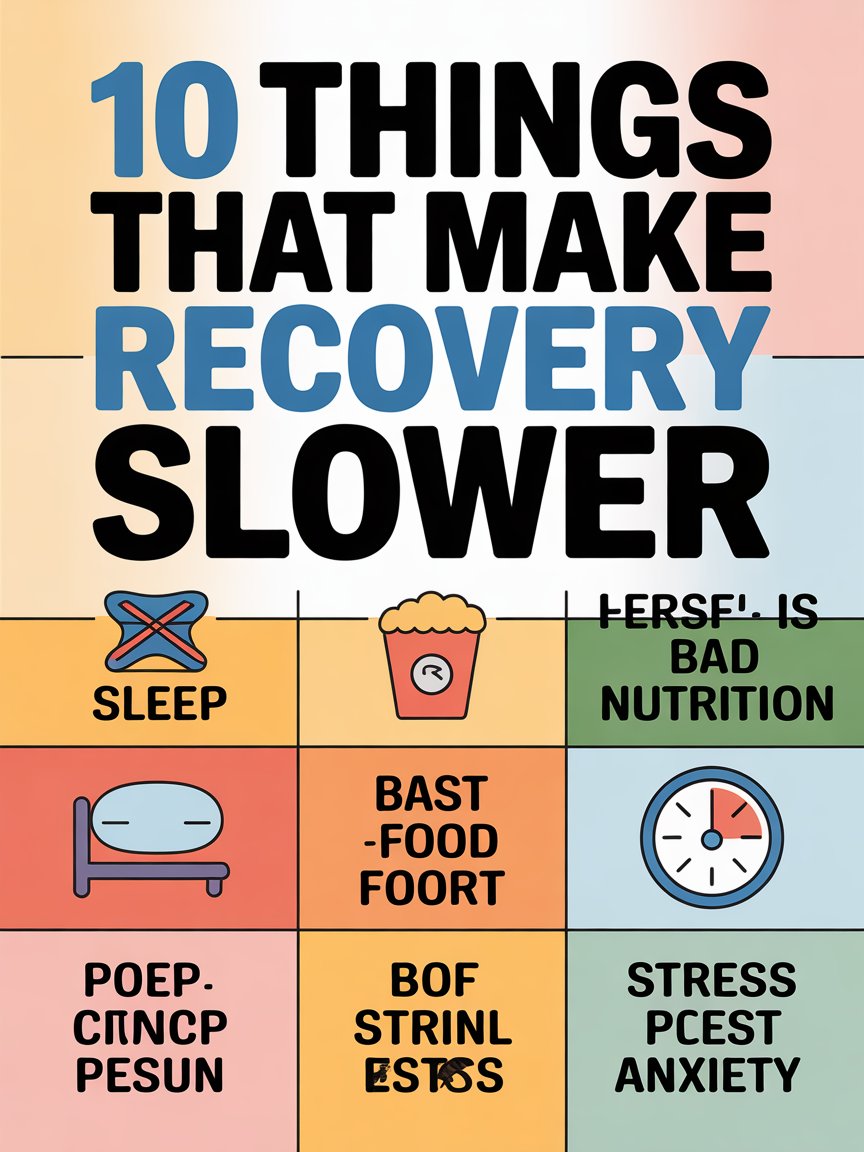
10 Things That Make Recovery Slower
Introduction: Why Recovery Takes Time
Recovery from chronic pain, fatigue, or conditions like Fibromyalgia is often a gradual process. While some progress is expected, certain habits can slow healing and make symptoms linger longer. Understanding what holds you back can help you make better choices and support your body’s natural recovery process.
1. Ignoring Rest Needs
Your body needs time to repair and recover. Pushing through exhaustion without taking breaks can delay healing and worsen symptoms. Rest is not weakness—it is essential for recovery.
2. Overexertion
Doing too much too quickly can overwhelm your body. Overexertion often leads to flare-ups, increased pain, and longer recovery times. Pacing your activities is key to steady progress.
3. Poor Sleep Quality
Sleep is when the body performs most of its repair work. Without deep, restorative sleep, healing slows down. Poor sleep also increases fatigue and pain sensitivity.
4. Unhealthy Diet
A diet high in processed foods, sugar, and unhealthy fats can increase inflammation. This may interfere with your body’s ability to heal. Nutrient-rich foods support recovery and overall health.
5. Dehydration
Water plays a vital role in nearly every bodily function. Not drinking enough can affect circulation, muscle function, and energy levels. Staying hydrated supports faster recovery.
6. Chronic Stress
Stress keeps the body in a constant state of tension and can interfere with healing. It may also increase pain and fatigue. Managing stress through relaxation techniques can support better recovery.
7. Lack of Movement
Too little activity can lead to stiffness, weak muscles, and reduced circulation. Gentle movement helps keep the body active and supports healing. Balance between rest and activity is important.
8. Inconsistent Routine
Irregular sleep, eating, and activity patterns can confuse your body’s natural rhythm. This inconsistency makes it harder for your body to recover. A stable daily routine supports better healing.
9. Skipping Treatment or Self-Care
Not following your treatment plan or neglecting self-care can slow progress. Consistency with therapy, medication, and healthy habits is essential for recovery.
10. Negative Mindset
A constant focus on setbacks can increase stress and reduce motivation. While recovery can be slow, maintaining a positive and realistic mindset can support better outcomes. Mental well-being plays a role in physical healing.
Conclusion: Support Your Recovery Daily
Recovery is influenced by your daily choices and habits. By avoiding these common mistakes and focusing on rest, nutrition, movement, and stress management, you can help your body heal more effectively. Small, consistent improvements can lead to meaningful progress over time.


Leave a Comment